glass bottle suppliers south africa solutions
The Craft of Glass Packaging: Transforming Your Brand Through Sustainable Glass Bottles
The science of glass packaging offers brands a distinctive pathway to stand out. By embracing sustainable methods, glass bottles not only enhance visual appeal but also align with eco-conscious consumer values. Their natural characteristics, encompassing recyclability and material safety, demonstrate a steadfast commitment to excellence. As brands navigate this evolving landscape, comprehending the wide-ranging benefits and complexities of glass packaging proves vital for enduring achievement. What innovative strategies are brands employing to maximize these advantages?
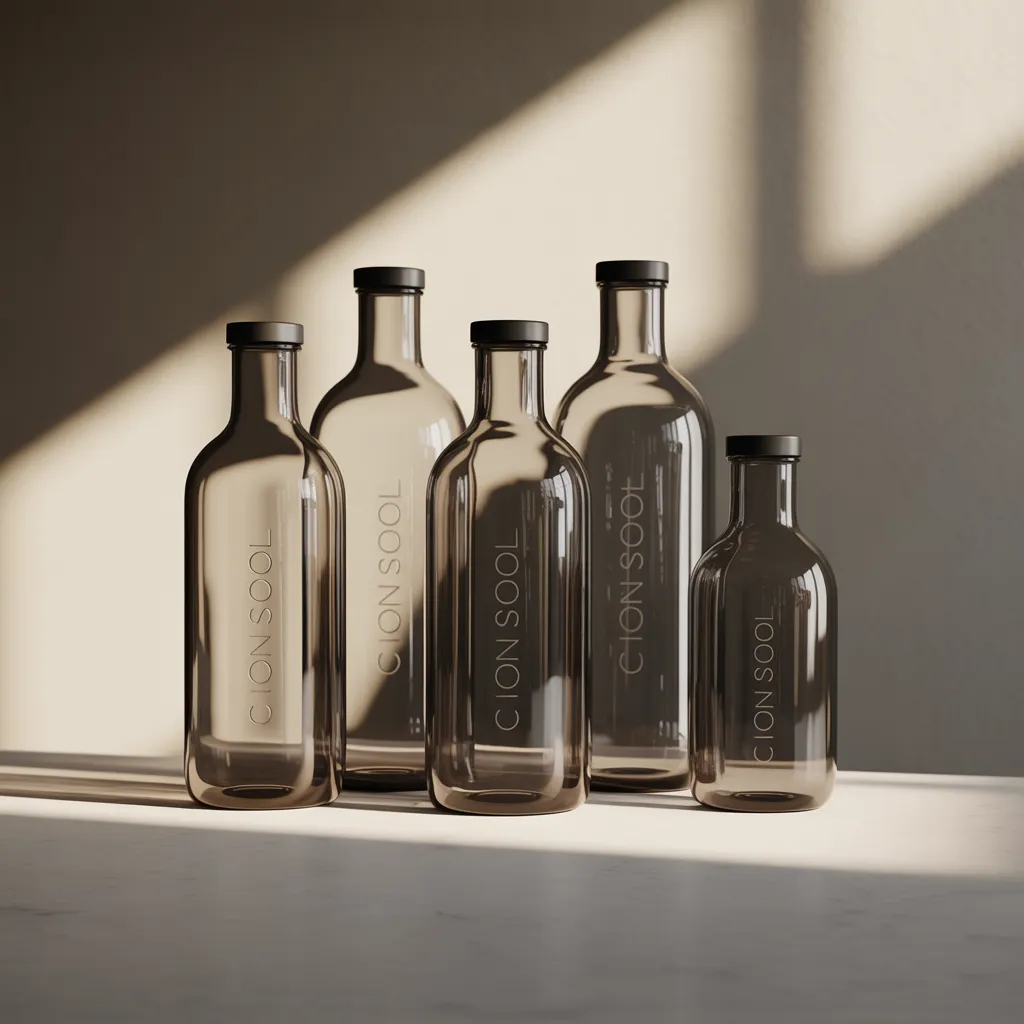
What Makes Glass Packaging the Right Choice for Your Brand
Choosing glass packaging can greatly enhance a brand's image and environmental initiatives. Brands that opt for glass demonstrate a dedication to excellence and premium experiences, attracting selective buyers who recognize the importance of design and utility. Glass provides a timeless and elegant appearance, enhancing a brand's recognizable image while offering a tactile experience that synthetic materials fail to replicate.
Additionally, glass packaging creates a sense of cleanliness and security, as it is uncontaminated by harmful chemicals often found in plastics. This selection can engage sustainability-minded buyers who identify glass with sustainable behavior. Furthermore, its durability allows for repeat use, thereby strengthening a brand's commitment to eco-friendly practices.
In a market increasingly focused on ecological responsibility, embracing glass packaging solutions can distinguish a brand cultivating loyalty and enhancing consumer trust. At its core, this deliberate decision positions brands as leaders in eco-conscious innovation and quality, reflecting the values of today's consumers.
The Eco-Friendly Advantages of Glass Bottles
Glass containers provide considerable ecological advantages that distinguish them from competing packaging solutions. They are completely recyclable, supporting a sustainable economy where materials can be recycled endlessly without degradation in quality. This property significantly minimizes the reliance on virgin materials, thus reducing material extraction and energy consumption linked to production.
Furthermore, glass packaging is chemically stable, meaning it does not seep dangerous compounds into its stored materials, ensuring more secure consumption. In contrast to plastic, glass does not contribute to microplastic pollution, which is a mounting environmental challenge.
The production of glass bottles also generates fewer greenhouse gas emissions when compared to plastic. As manufacturing processes have advanced, energy efficiency has improved, additionally minimizing the environmental impact associated with producing glass.
Unique Designs That Transform Glass Packaging
Creative designs in glass vessels are reshaping how consumers view products. Original silhouettes and configurations not only improve usability but also capture buyer interest. Moreover, eye-catching color palettes further boost the overall appearance, making glass vessels rise above the competition on display.
Exceptional Shapes and Structures
Revolutionary approaches in packaging made from glass not only boost visual impact but also play an essential role in brand differentiation. Unconventional forms and structures can create memorable consumer experiences, enabling products to capture attention on busy retail displays. To illustrate, non-symmetrical bottles or structured geometric forms can spark interest and invite engagement. These unique configurations often reflect a brand's personality, reinforcing its message and values. Beyond that, original designs can boost practicality, such as easier handling or enhanced pouring. Businesses that commit to original glass design concepts convey a devotion to craftsmanship and eco-consciousness, drawing in eco-aware buyers. By championing innovation in their packaging strategies, brands can cultivate more meaningful relationships with consumers, in turn promoting long-term loyalty and broadening their market reach.
Visually Striking Color Palettes
Rich color combinations play an essential role in enhancing glass packaging, turning everyday bottles into striking visual declarations. By utilizing a deliberate combination of shades, companies can stir feelings and craft lasting impressions for customers. Bold colors can signify premium quality, whereas gentler shades can express refinement and elegance.
In addition, the incorporation of gradients and multi-toned designs adds depth and intrigue, drawing attention on crowded shelves. Eco-conscious practices additionally boost the appeal; sustainable dyes and finishes appeal to environmentally aware consumers. Ultimately, the perfect color palette not only captures a brand's essence but also underscores its pledge to sustainability, making glass packaging a powerful tool for differentiation in a competitive market.
How Does Glass Packaging Enhance Product Perception?
Glass packaging notably improves product perception with its premium aesthetic and tactile quality, evoking a feeling of luxury among consumers. The natural clarity and see-through quality of glass provide a clear and unimpeded view of the contents, further reinforcing quality. Furthermore, glass packaging supports environmentally responsible brand values, appealing to environmentally conscious consumers.
Exceptional Feel And Appeal
Utilizing glass packaging significantly enhances the perceived value of a product, commonly connecting it with quality and sophistication. Consumers frequently associate glass with high-end appeal, leading to stronger brand dedication and positive consumer experiences. The physical feel of glass, with its sleek finish and substance, contributes to a high-end impression that plastic fails to reproduce. This experiential connection builds a relationship between the product and the consumer, nurturing an impression of excellence. Furthermore, glass packaging reflects a focus on sustainability, attracting sustainability-minded customers. Therefore, businesses employing glass containers can position themselves as superior choices within their markets, appealing to thoughtful consumers who appreciate both style and sustainability in their purchasing decisions.
Visual Clearness And Transparency
When consumers encounter products in glass vessels, their impression is frequently elevated by the intrinsic visual see-through quality it delivers. This openness enables prospective customers to view the contents within, building a feeling of confidence and genuineness. The clarity of glass not only showcases the product's quality but also highlights its color and texture, enhancing visual appeal. Furthermore, the lack of label obstructions on transparent glass lets the product become the focal point, creating a more engaging shopping experience. Glass vessels can uplift brand standing by expressing a devotion to quality and skill. This visual clarity ultimately influences consumer decisions, encouraging a deeper emotional connection with the product and the brand.
Sustainable Brand Positioning
Environmentally aware brands leverage glass containers to reinforce their commitment to sustainability, successfully elevating how products are perceived. Glass communicates an impression of quality and refinement, defining a loftier benchmark when measured against plastic counterparts. This substance not only underscores the green values of a brand but also attracts buyers who place importance on sustainable options. The physical sensation of glass—its heft and feel—additionally enhances the perceived worth of the product. Furthermore, the recyclable nature of glass corresponds with the increasing consumer appetite for sustainable habits, cultivating customer loyalty. By opting for glass, brands not only demonstrate their commitment to ecological responsibility but also establish their products as high-end choices, consequently developing a distinguished presence in a competitive industry.
How Brands Are Winning With Glass Packaging
A growing number of businesses are thriving by embracing glass packaging, demonstrating its appeal to consumers and commitment to sustainability. For instance, a well-known beverage company shifted to glass bottles, resulting in a 30% rise in sales within a year. The switch not only improved product visibility on shelves but also resonated with eco-conscious consumers, reinforcing the brand's sustainability message.
One other skincare brand effectively transitioned to glass packaging, significantly enhancing its premium image. This shift attracted a loyal customer base that prioritizes both aesthetics and environmental responsibility. Furthermore, a craft beer producer embraced reusable glass containers, building brand loyalty while minimizing waste. These case studies illustrate that glass packaging not only meets market needs for environmentally responsible choices but also bolsters brand recognition and competitive standing. Such see guide thoughtful selections highlight an emerging pattern among brands aiming to integrate eco-friendly values into their processes while resonating with contemporary buyers.
How to Overcome Challenges in Glass Packaging
Managing the challenges of glass packaging necessitates innovative strategies and a keen understanding of the market. Companies often face issues such as elevated manufacturing expenses, heavy material considerations, and fragility. To address these, companies can implement cutting-edge production methods that reduce waste and boost structural resilience. Partnering with suppliers to obtain eco-friendly materials also minimizes environmental consequences while resonating with sustainability-minded consumers.
An additional obstacle is the logistics of transportation, considering the substantial weight of glass. Adopting intelligent logistics strategies, such as refined shipping techniques and innovative packaging designs, can reduce expenses and ensure product protection while in transit. Furthermore, educating consumers on the benefits of glass over plastic may cultivate customer loyalty and boost market demand. Through adopting these approaches, organizations can address hurdles in glass packaging and position themselves as leaders in sustainable practices, ultimately enhancing their brand image and market presence.
Upcoming Trends in Sustainable Glass Packaging
As the demand for sustainable packaging continues to rise, the glass packaging industry is poised for transformative changes. Advancements in production methods are anticipated to improve energy performance, minimizing the carbon emissions tied to glass production. Furthermore, the adoption of lightweight glass bottles will emerge as a key trend, reducing shipping emissions while preserving product quality.
Recycling initiatives will become more robust, with enhanced partnerships between manufacturers and municipalities to improve glass collection and processing. Additionally, the integration of smart technology into packaging will allow for greater transparency in the supply chain, enabling brands to showcase their sustainability efforts effectively.
Growing consumer demand for sustainable products will further accelerate the creation of customizable, aesthetically pleasing designs, combining utility with striking visual elements. As brands prioritize sustainability, the glass packaging industry is poised to transform its strategies, harmonizing with global sustainability targets while fulfilling the needs of an eco-conscious audience.
Common Questions and Answers
What Are the Costs Associated With Glass Packaging Compared to Plastic?
Packaging made from glass commonly involves higher costs as a result of production, transportation, and recycling processes when compared to plastic alternatives. That said, it delivers sustainability benefits and enhanced brand perception, which can justify the investment for some businesses.
How Can I Personalize Glass Bottles for My Brand?
Brands have the ability to tailor glass bottles through unique shapes, colors, and finishes. Engraving, labeling, and printing designs strengthen brand identity. Collaborating with suppliers secures adherence to environmental objectives without compromising both appearance and performance.
Do Specific Regulations Exist for Glass Packaging?
Certainly, dedicated regulations for glass packaging have been established, varying by region. Such regulations encompass safety standards, labeling requirements, and recycling guidelines, guaranteeing consumer safety and environmental responsibility while encouraging sustainable practices in packaging manufacturing and distribution.
What Are the Best Practices for Recycling Glass Bottles?
When recycling glass bottles properly, individuals should rinse them to remove residues, take off the caps, and organize them according to color. In addition, they should review community recycling rules for designated drop-off sites to ensure correct handling and processing.
What Is the Effect of Glass Packaging on Shipping and Logistics?
Glass packaging significantly impacts the shipping and logistics process by increasing weight and fragility, requiring careful handling and specialized transport solutions. This can lead to higher costs and more complex supply chain management relative to lighter and sturdier material alternatives.